Ramadan approaches, and with the holy month comes a shift in daily routines across the UAE. Drivers need to be aware that traffic conditions change significantly due to altered public transport, prayer times, and social gatherings. Understanding these patterns and following practical Ramadan driving tips is essential for staying safe and alert on Dubai’s roads and in Abu Dhabi during fasting hours.
Managing traffic becomes especially important as roads and transport authority (RTA) regulations adapt to Ramadan, including adjusted timings for public parking timings and Salik toll timings. By planning ahead, using navigation apps, and staying informed through official channels like the RTA Dubai app, you can make your drives safer and more comfortable.
How Fasting Affects Driver Focus and Reaction Time
Fasting reduces energy levels, making concentration more challenging. Hunger and dehydration slow reaction time, which can affect decision-making and adherence to traffic rules. Even simple maneuvers may require extra focus, especially during peak hours or in key areas like Dubai Internet City and Dubai Media City, where congestion tends to build quickly.
Sleep Disruption and Dehydration – Hidden Ramadan Driving Risks
Late-night prayers, early Suhoor meals, and shifts in operating hours can disrupt normal sleep patterns. Dehydration from fasting adds to fatigue, increasing the risk of drowsiness during long drives. Staying hydrated during off-peak hours and taking short rest breaks helps counter these risks. Fatigue is most noticeable during the second period of the day, especially in residential zones with less traffic but narrow roads.
Best Times to Drive During Ramadan in the UAE
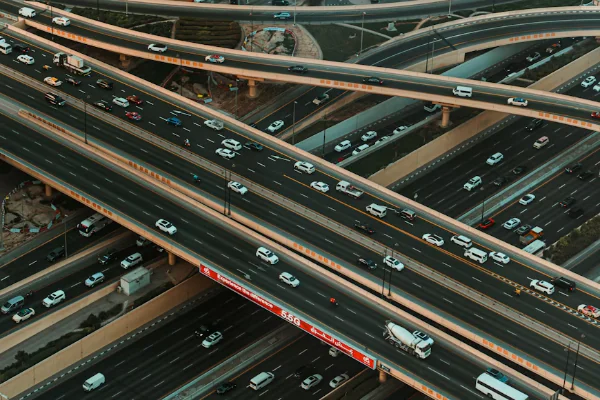
Certain windows reduce risk on Dubai’s roads. Early mornings, shortly after Suhoor, are ideal as traffic flow is light. Midday hours are typically quieter, while post-Iftar periods are safer once the Iftar period surge has subsided. By planning drives during off-peak hours and leveraging navigation apps, you can avoid congestion in downtown Dubai and other busy paid zones.
Times to Avoid Driving During Ramadan
Avoid driving during late afternoons and just before Iftar. These peak times coincide with heavy traffic in key areas, including Dubai Internet City, Dubai Media City, and downtown Dubai. Pre-Iftar rush, coupled with toll usage at Salik tolls, increases travel time and stress. Check official updates and traffic conditions to avoid paid parking timings that may coincide with high parking charges in multi-level parking buildings and special parking zones.
Parking Tips and Timing Adjustments
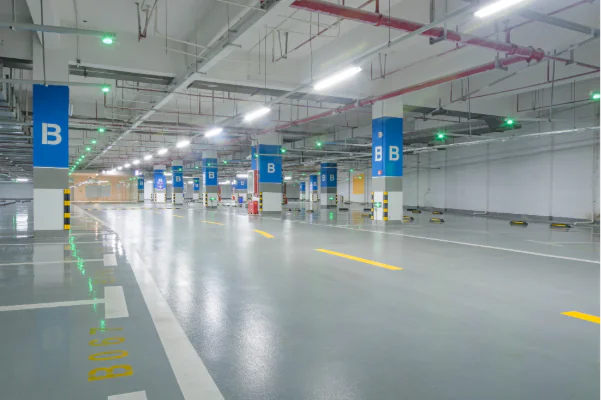
Understanding parking hours, parking zones, and public parking hours is crucial during Ramadan. Many areas provide free parking during off-peak hours, while paid parking hours remain in effect in paid zones. Use mParking service, official channels, or check official announcements to stay updated on parking schedules and parking availability in residential areas and commercial districts. Navigating free parking areas and multi-level parking buildings effectively reduces stress and ensures compliance with parking rules, helping you avoid fines.
If you want a detailed breakdown of RTA parking timing during Ramadan in Dubai, including split paid hours, free parking during Iftar, and zone-wise rules, you can also read this guide on RTA parking timing in Ramadan.
Car Rental Options for a Safe and Comfortable Journey
Renting a car from Hertz UAE ensures a reliable and comfortable ride during Ramadan. Well-maintained vehicles with efficient air conditioning support alert driving and reduce fatigue. This is especially important for navigating Dubai’s roads, downtown Dubai, and areas with congestion, while keeping track of Salik toll schedules and toll payments.
Planning Routes Smarter During Ramadan Using Navigation Tools
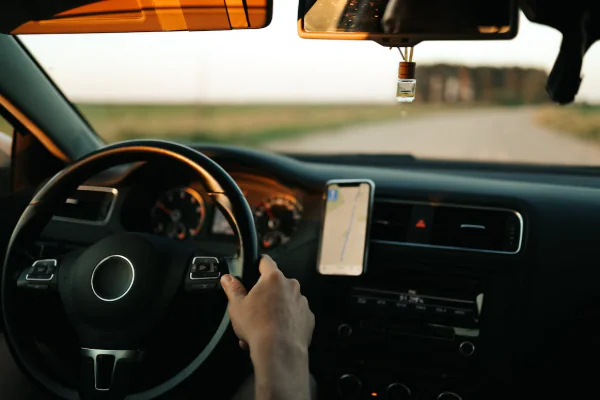
Use navigation apps to plan ahead and avoid traffic. Real-time updates help drivers identify free parking areas, paid zones, and special parking zones. Checking traffic flow, public transit, and traffic conditions ensures smoother journeys. Leveraging technology like the RTA Dubai app or Salik app allows monitoring toll usage, Salik toll timings, and toll charges, helping you manage both time and cost effectively.
Staying Calm and Driving Defensively While Fasting
Fasting can heighten irritability. Stay calm, maintain safe distances, and follow traffic rules to prevent accidents. Avoid aggressive driving during peak hours, Iftar hours, and congested residential zones. Defensive driving is essential to ensure safety in key areas and when navigating multi-level parking buildings or public parking spaces.
Importance of Taking Breaks and Avoiding Long Drives While Fasting
Breaks help combat fatigue and dehydration. Avoid long journeys during fasting hours unless necessary. Take advantage of public transport, short rest stops, and off-peak travel to maintain alertness. Always factor in exact timings, parking availability, and parking charges to plan stress-free trips.
Why a Cool, Comfortable Car Matters During Ramadan Drives
Air-conditioned vehicles prevent overheating and dehydration, enhancing focus. Comfort improves safety and alertness, particularly during downtown Dubai commutes, paid parking hours, or Salik toll usage. Renting from Hertz UAE ensures access to modern, well-maintained cars that support safe driving during the holy month.
Monitoring Traffic and Weather Conditions Before You Drive
Before any trip, check traffic flow, traffic conditions, public parking hours, and weather updates via official channels and navigation apps. Staying informed helps drivers avoid congestion, plan alternative routes, and anticipate paid zones, toll charges, and parking costs throughout the entire day.
Key Safety Tips for Driving in the UAE During Ramadan
- Stay hydrated during non-fasting hours
- Prioritize sleep and rest
- Observe traffic rules at all times
- Use navigation apps to plan ahead and avoid traffic
- Monitor Salik toll timings and toll payments
- Follow parking schedules and public parking hours
- Use mParking service to navigate parking and avoid fines
- Maintain calm, patience, and safe following distances
- Prefer driving during off-peak hours for safer journeys
Conclusion: Plan Ahead for a Safer Ramadan Driving Experience
By following these Ramadan driving tips, staying aware of parking hours, paid parking, Salik toll timings, and using navigation apps, drivers can navigate Dubai’s roads and residential areas safely during Ramadan. Renting a comfortable vehicle through Hertz UAE enhances safety, reduces stress, and ensures a smoother experience during the holy month.
FAQs
How can you drive safely during Ramadan?
Hydrate during non-fasting hours, plan drives during off-peak hours, use navigation apps, follow traffic rules, and remain patient in congested areas. Staying alert is essential to prevent accidents.
What are the best times to drive during Ramadan?
Early mornings after Suhoor, mid-day periods, and post-Iftar drives are generally safer. Avoid peak hours, Iftar hours, and congested residential zones to reduce travel stress.