The United Arab Emirates is home to some of the most advanced road infrastructure in the world. Whether you are a tourist heading to a desert resort or a business traveler commuting between emirates, understanding the major roads in Dubai and the surrounding areas is essential. Navigating these Dubai highway systems efficiently not only saves time but also ensures a more relaxed experience for both the driver and passengers. From the bustling Sheikh Zayed Road to the expansive Emirates Road, knowing which route to take can transform your journey.
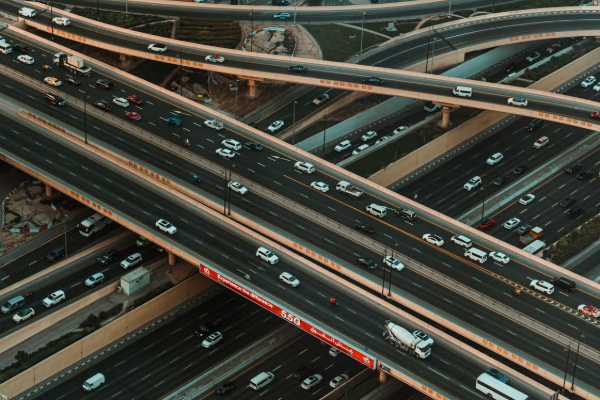
Navigating the United Arab Emirates is straightforward once you understand the alphanumeric coding of the main roads in Dubai and other emirates. Roads starting with "E" connect different emirates, while "D" roads serve as intra-city routes.
The E11 highway changes depending on where you are, but it is most famously known as Sheikh Zayed Road in Dubai. At 558.4 km, E11 is the longest road in the UAE, stretching from Al Silah in Abu Dhabi all the way to Ras Al Khaimah. It serves as the primary arterial highway linking the United Arab Emirates' largest cities.
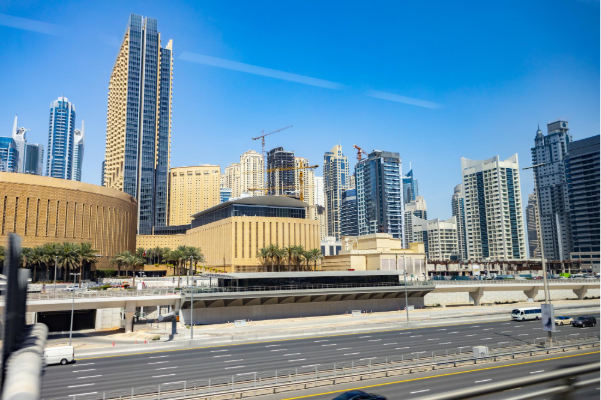
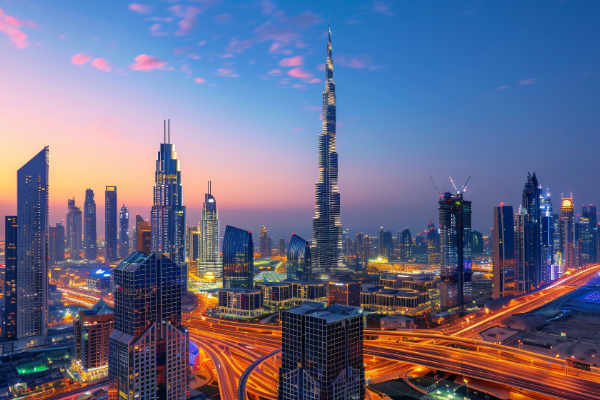
When driving through Dubai, you will pass famous landmarks like the Burj Khalifa, the Dubai World Trade Center, and the Emirates Towers. Be aware that this route includes toll gates (Salik), with three Salik toll gates located along Sheikh Zayed Road, and runs through high-traffic areas like Al Barsha and Jebel Ali.
Often referred to by its E311 road name, this highway was formerly known as Emirates Road before being renamed. It acts as a vital link for those traveling from Dubai to the northern emirates, including Sharjah, Ajman, Umm Al Quwain, and Ras Al Khaimah. It is a popular choice for commuters because it bypasses some of the busiest parts of downtown Dubai while providing direct access to suburban areas like Arabian Ranches and Dubai Silicon Oasis.
The current E611 road name belongs to Emirates Road, which was previously called the Dubai Bypass Road. The highway stretches for approximately 110 km and bypasses central Dubai, running parallel to the E311 and E11 but sitting further inland. It is designed to filter out heavy long-distance traffic and trucks, making it an excellent alternative for navigating roads without the congestion of the inner city.
Emirates Road also connects Abu Dhabi to Ras Al Khaimah, making it an important route for inter-emirate travel. It is particularly useful for reaching Dubai International City developments or traveling to Al Dhaid without entering the city center.
The E44 is a major expressway that connects the heart of Dubai to the scenic enclave of Hatta. Known as Al Khail Road within the city, it provides a smooth path past Ras Al Khor and toward the Oman border. This Dubai Hatta road is essential for adventure seekers heading to the Hajar Mountains for a weekend escape.
The E66 highway represents the primary gateway between the coast and the inland garden city of Al Ain. At approximately 160 km long, the highway connects Dubai to Al Ain. Starting near the Wafi Mall junction, this Al Ain road takes you past the Zabeel Royal Palace and out into the desert. It is a well-maintained highway that offers a straightforward drive to the Al Ain Oasis and other cultural heritage sites in the eastern region.
This highway is an important connector between the E11 and E66. It provides a strategic route toward Hatta and is located near Al Maktoum International Airport. It is a key road for those moving between the industrial zones of Jebel Ali and the inland rural roads.
For those looking to reach the East Coast quickly, the E84 is the fastest route. The Sheikh Khalifa Highway is approximately 40 km long and connects the E102 to Fujairah, cutting through the rugged mountains via impressive tunnels. It has significantly reduced travel time between Dubai and the Fujairah coastline, famous for its dhow cruises and pristine beaches.
The E10 acts as a scenic alternative to the E11 when traveling between the two largest emirates. It enters Abu Dhabi via the iconic Sheikh Zayed Bridge, offering breathtaking views of the city skyline and the Sheikh Zayed Grand Mosque.
Selecting the right vehicle depends on your specific UAE road trip plans.
Renting a car gives you the flexibility to choose a vehicle that suits your route and travel needs. For instance, you might choose a compact car for zipping through Dubai roads during the week and upgrade to a larger vehicle class for a family road trip on the weekend.
Modern rental fleets are equipped with the latest safety features, which are extremely helpful when maintaining the speed limit of 120-140 km/h found on important highways. For families travelling on major UAE highways, following road safety rules for kids in the UAE can also help ensure a safer and more comfortable journey.
If you are deciding whether a rental vehicle is the right option for your travel needs, you can also explore renting vs buying a car in the UAE to understand the differences between the two options.
With Hertz, you can pick up your car at Dubai International Airport or various neighborhood locations, making it simple to start your journey.
Understanding the layout of major highways in the UAE makes every trip more efficient. Whether you are using the Emirates Road to bypass traffic or cruising down Sheikh Zayed Road to see the sights, the UAE’s road network is designed for speed and safety. By choosing a reliable and comfortable vehicle, you can focus on the destination and enjoy the drive.
If you regularly travel across the UAE and want the flexibility to choose a vehicle that suits your journey, Hertz UAE offers a wide range of rental cars for city commutes, inter-emirate journeys, and weekend road trips. From comfortable sedans to spacious SUVs and premium vehicles, you can choose a car that fits your plans and enjoy the freedom to explore the UAE’s highways with confidence.
Dubai is served by several major roads, with the E11, E311, and E611 being the most prominent north-south arteries. Other key routes include the E44, E66, and E77, which connect the city to the eastern and southern regions.
The E11 is the primary highway connecting Dubai to Abu Dhabi. Drivers can also use the E311 or the E10 as alternative routes depending on their specific starting point and destination within the cities.
The E311 (Sheikh Mohammed Bin Zayed Road) is closer to the city center and serves many residential and commercial hubs. The E611 (Emirates Road) is further inland and acts as a bypass to avoid heavy city traffic and industrial vehicles.
The three most critical highways are the E11 (Sheikh Zayed Road), the E311 (Sheikh Mohammed Bin Zayed Road), and the E44 (Al Khail Road).
Sheikh Zayed Road (E11) is the most famous road, known for its skyline views of the Burj Khalifa and other architectural wonders.
The E11 (Sheikh Zayed Road) is typically the busiest due to its central location and the high concentration of business hubs and famous landmarks along its route.